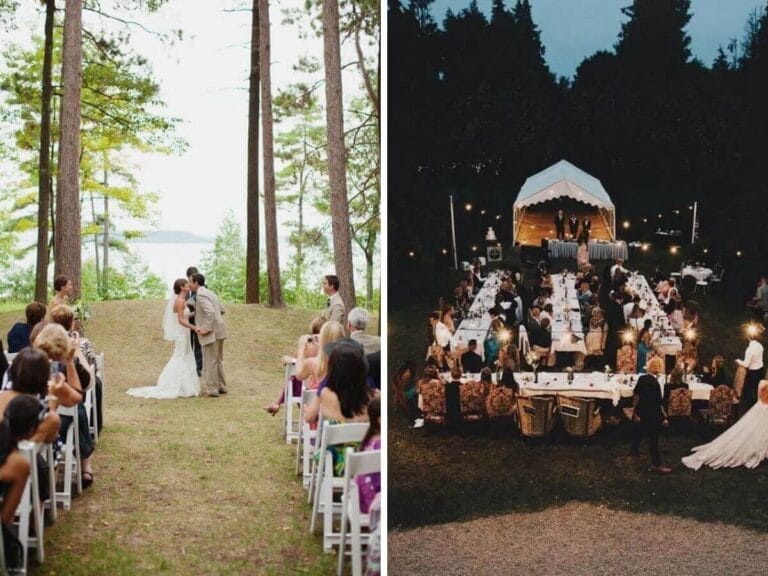


Planning a wedding can feel like juggling a hundred tiny details at once. I’ve seen the most composed people crumble under the weight of deadlines, vendors, and endless decisions. The truth is, even the most beautiful wedding begins with a well-structured checklist. Breaking everything into clear, time-based steps is what transforms chaos into calm.
Below is the system I’ve refined through years of experience, organized, practical, and designed to help every decision flow naturally into the next.

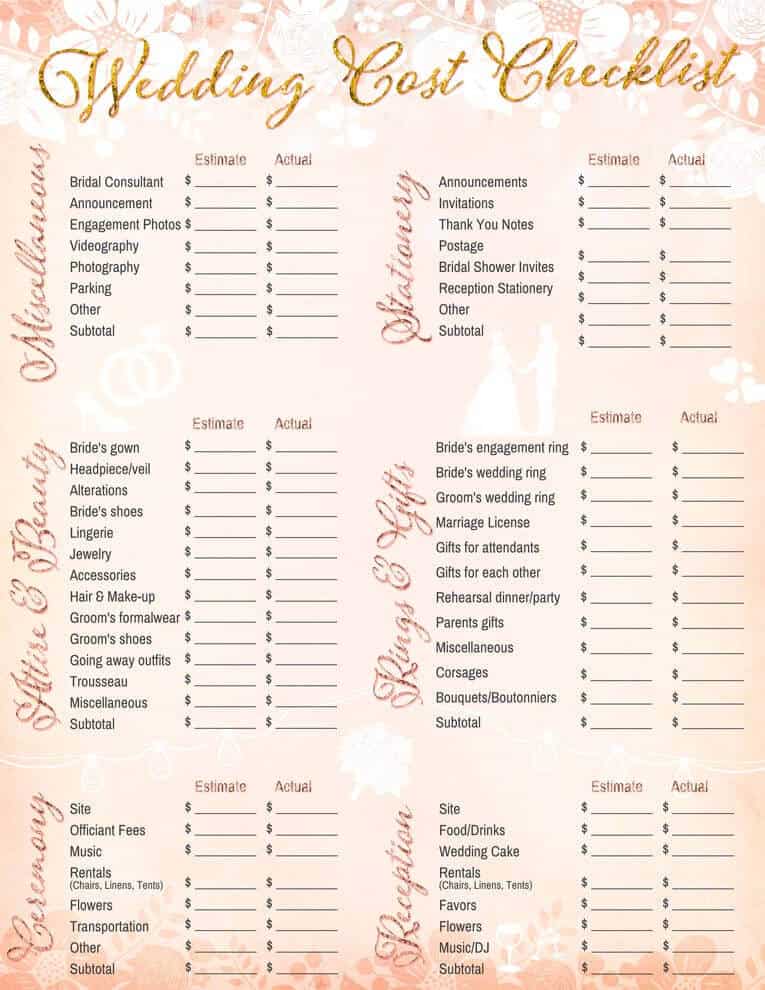
#1 Set a BudgetThe blush-and-peach tones of this Wedding Cost Checklist create a lovely, organized touch for your planning binder. With its elegant gold script and floral lace background, it not only looks beautiful but also keeps your budget on track. As you fill in estimates and actual costs, make sure to track every detail to avoid surprises. This checklist is your go-to tool for a smooth wedding planning process, ensuring you can enjoy every moment leading up to your special day.

#2 Select a Date to Reserve VenueThe delicate save-the-date card captures a charming moment with its ivory cardstock and gold foil lettering. Marking August 13th with a lovely heart adds a personal touch that’s sure to delight your guests. As you plan your wedding, remember that a well-organized Wedding Planning Checklist will help guide you through important milestones. Matching the pale-gray ribbon to your wedding colors can create a cohesive look across your invitations. This thoughtful detail sets the stage for an elegant celebration.

#3 Reserve the VenueThe white aisle runner beautifully stretches forward, lined with delicate ivory rose petals that lead to a rustic arch, creating a stunning focal point for your ceremony. Tall gold stands adorned with soft blush and ivory flowers add elegance, while the surrounding greenery and trees filter in natural daylight, enhancing the intimate atmosphere. For your wedding planning checklist, remember to confirm that your aisle is clear and inviting, allowing guests to experience the romance of this garden setting before the vows begin. Every detail matters in making your day special.

#4 Start the Guest ListThe pastel colors and playful design of the Wedding Guest List Manager create a light and inviting atmosphere for your planning sessions. This infographic is a fantastic way to help you decide who to invite, guiding you through essential questions to refine your guest list. As you navigate through the yes and no prompts, you’ll find it both fun and practical for your wedding planning checklist. Keep it handy, and don’t hesitate to highlight definite invites and possible cuts to make your decisions clearer. A well-organized guest list can truly set the tone for your special day.

#5 Find an OfficiantUnder the sprawling tree, the intimacy of your wedding ceremony shines through as you exchange vows, bathed in warm amber light from hanging mason jar lanterns. The rustic setting creates a serene atmosphere that feels both romantic and special. To enhance this enchanting experience, consider scheduling your wedding planning checklist to ensure the ceremony starts just before sunset for that perfect glow. With the soft natural backdrop and gentle twinkling lights, it will be a moment you’ll cherish forever.

#6 Select Your Wedding PartyAs you lean into that playful dip, surrounded by loved ones holding sparklers overhead, the joy in the air is palpable. Your satin gown and floral headpiece create a stunning contrast against the dark night, making this sparkler exit a perfect moment to capture. To ensure a smooth send-off, consider using smokeless sparklers for cleaner photos and longer burn times. This classic moment truly embodies the essence of a refined wedding planning checklist, giving you a grand finale to remember.

#7 Book a FloristStanding together on that natural stone platform, the couple enveloped by lush greenery and vibrant florals creates a stunning scene for your wedding planning checklist. The soft daylight filtering through the trees adds a warm touch, making the moment feel intimate and special. Incorporating elements like vintage windowpanes and asymmetrical floral arrangements not only enhances the beauty but also elevates the overall design. Balancing the jewel tones with plenty of greenery will keep your ceremony both vibrant and organic. This romantic woodland garden setting can inspire your unique vision for a memorable day.

#8 Book a PhotographerAs you walk down the grand aisle of that stunning Gothic church, the soft natural light filters through the tall windows, creating a beautiful atmosphere for your wedding. Your full ballgown and cathedral-length train will truly shine against the ornate arches and warm wood pews. To maintain this classic wedding planning checklist symmetry, consider keeping the aisle clear and using low arrangements at pew ends. This way, the focus remains on your elegant silhouette and the breathtaking architecture surrounding you.

#9 Book a DJ or a bandThe refined brass ensemble sets an elegant tone for your wedding planning checklist, creating a vibrant atmosphere under the night sky. The warm spotlight catches the gold of the instruments, while the musicians in their black suits bring a sophisticated flair. Positioning the band strategically along the walkway can guide guests seamlessly from cocktails to dinner, enhancing that celebratory vibe. This scene beautifully illustrates how music can elevate the overall experience, making it a memorable part of your special day.

#10 Find a CatererSet against a lush green lawn, the elegant tiered ice sculpture serves as a stunning centerpiece for your outdoor wedding cocktail hour. Bright lemon wedges and sprigs of parsley add vibrant touches to the chilled oysters and shrimp, creating an inviting and celebratory atmosphere. To enhance this coastal luxe theme, consider offering cocktail forks and lemon wedges for your guests. As you work through your wedding planning checklist, don’t forget to prioritize unique elements like this to make your celebration truly unforgettable.
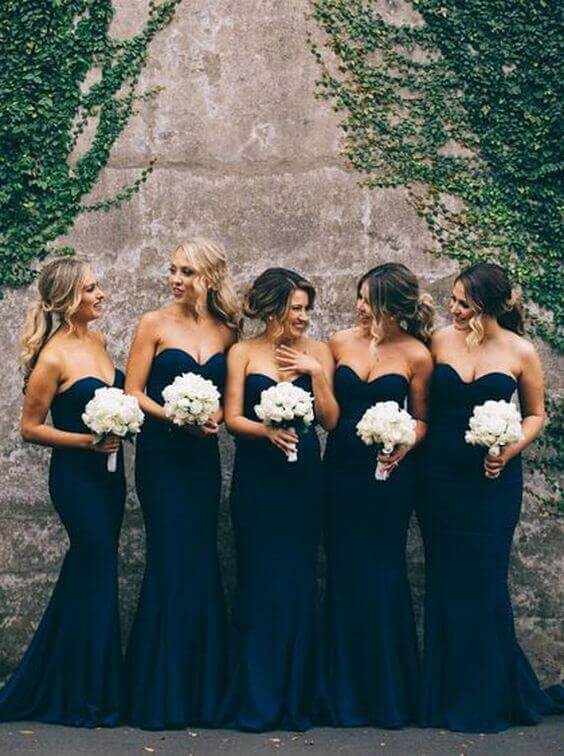
#11 Choose the Bridesmaids’ DressesFive lovely bridesmaids in navy gowns stand together, radiating elegance as they hold their white rose bouquets. The soft natural light highlights their vibrant smiles against the backdrop of a weathered stone wall and lush ivy, creating a perfect setting for your wedding planning checklist. To achieve this cohesive look, consider matching the bouquet ribbons to your gown for a polished touch. This combination of deep navy and soft ivory not only looks timeless but also ensures your bridal party feels united and beautiful on your special day.

#12 Start Planning Your HoneymoonBathed in soft golden light, the couple on the terrace captures a serene moment of intimacy, perfectly encapsulating the essence of a destination wedding. The whitewashed chapel’s dome and the misty coastline create a minimalist backdrop that enhances their connection. For your own wedding planning checklist, consider timing your portraits around sunset to achieve this beautiful glow. With such a setting, you’ll create cherished memories that reflect your unique love story.
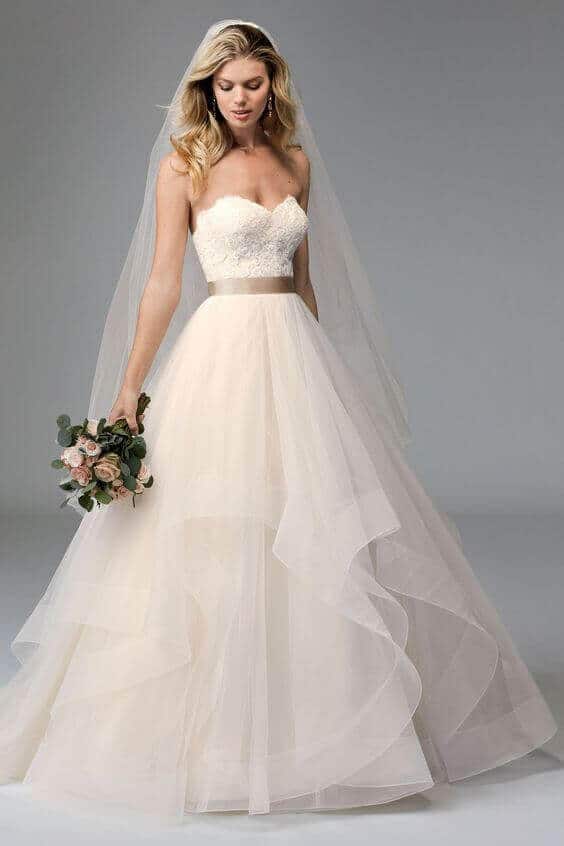
#13 Choose Your Bridal GownStanding gracefully in that stunning ivory ball gown, you radiate timeless elegance, perfectly complemented by your petite blush rose bouquet. The soft layers of tulle create an airy feel, harmonizing beautifully with the neutral studio backdrop. For your wedding planning checklist, remember to consider how your floral palette ties into your overall theme. This classic look is not just about the dress; it’s about creating a cohesive atmosphere that reflects your style on your special day.

#14 Create a Wedding WebsiteThe elegant save-the-date layout beautifully captures your unique love story with its soft sepia tones and creamy whites. Featuring engaging portraits of you both alongside essential details for your Vancouver and Toronto celebrations, it sets a warm, inviting atmosphere. As you finalize your wedding planning checklist, consider adding travel tips for guests to enhance their experience. This thoughtful touch will keep your loved ones informed and excited about the special days ahead.

#15 Arrange TransportationSharing a kiss on the rear platform of that glossy black vintage trolley perfectly captures the joy of your wedding day. With the ‘JUST MARRIED’ sign gleaming in gold and your cascading bouquet adding a pop of white and soft blush, this moment feels celebratory and romantic. As you plan your getaway, remember to secure water for your bouquet to keep those beautiful blooms fresh. This wedding planning checklist moment is all about creating memories that last a lifetime.

#16 Finalize Guest ListStanding on those grand stone steps, you can feel the joy of your wedding day radiating from every smiling face. The couple, in their classic ivory and navy attire, share a sweet kiss, while dozens of guests cheer and celebrate around them, creating a vibrant and communal atmosphere. To capture this magical moment perfectly, a thoughtful Wedding Planning Checklist can help ensure every detail is in place, from the color palette to the guest list. Remember, staging your guests in a cohesive manner can elevate the beauty of your group portrait, turning it into a cherished keepsake.

#17 Send the InvitationsThe refined wedding invitation suite features a beautiful vellum overlay that floats above a textured white card adorned with watercolor roses and sage foliage. The soft, natural light highlights the elegant details, creating a lovely, airy mood perfect for your celebration. As you plan your perfect day, consider pairing this design with matching blush stamps and a sage wax seal for a cohesive look. This wedding planning checklist will help you stay organized, ensuring every detail reflects your unique style. Remember, it’s all about making your day as special as you envision!

#18 Send Rehersal Dinner InvitationsThe cozy, rustic feel of this rehearsal dinner invitation is inviting with its chalkboard design and soft blush envelope. The peach ribbon adds a lovely touch, while the greenery enhances the natural vibe. For your wedding planning checklist, consider using similar colors and materials to create a cohesive look throughout your celebration. Pairing string lights with these elements can bring warmth and charm to your event. This intimate style is perfect for setting the tone for your special day.

#19 Arrange Hotel Rooms for Out of Town GuestsThe serene, light-filled hotel room is the perfect backdrop for your wedding planning checklist. With a king bed dressed in crisp white linens and a tailored gray plaid bench, this space radiates modern luxury. Natural daylight pours in, creating a soft glow that flatters every detail. As you prepare, consider placing your bouquet and shoes on the bench for beautiful photos. This calm, neutral suite is ideal for capturing those special moments on your big day.

#20 Shop for Your Wedding RingsSoft lighting highlights the beauty of these classic rose-gold wedding bands, nestled together on a bright white cardstock. Their gentle overlap symbolizes partnership, making them perfect for your wedding planning checklist. When capturing images like this, consider pairing the rings with blush or ivory accents to enhance their warm glow. A minimalist approach keeps the focus on their elegant design, ensuring your memories are timeless and refined.

#21 Order Wedding CakeA four-tier rustic naked wedding cake stands beautifully on a thick wooden log slice, surrounded by fresh berries that add vibrant color. The soft daylight filtering in highlights the cozy, organic atmosphere, making it perfect for your wedding planning checklist. To keep the cake looking fresh, dust it with powdered sugar just before serving. This delightful centerpiece will surely be a hit at your reception, creating sweet memories for you and your guests.

#22 Find Your Makeup Artist and HairstylistSeated gracefully in a pale wooden chair, the bride’s serene expression captures the essence of timeless elegance. Her ivory lace wedding dress, beautifully complemented by soft, loosely pinned tendrils, creates a refined, romantic mood. This high-key portrait style is perfect for your Wedding Planning Checklist as it highlights the importance of capturing these moments during your getting-ready time. For a cohesive look, consider using an ivory-and-champagne palette in your decor, echoing the soft tones of her gown. Remember, every detail counts as you plan for your special day.

#23 Purchase Wedding FavorsA sturdy wooden table filled with miniature succulent wedding favors creates a delightful rustic vibe. The arrangement, with its terracotta pots and a charming wooden sign, guides guests beautifully. As you plan your wedding, remember to include a small care card for each succulent, ensuring your guests know how to keep their favors thriving. The soft natural lighting and fresh eucalyptus add warmth, making this wedding planning checklist station both inviting and functional.
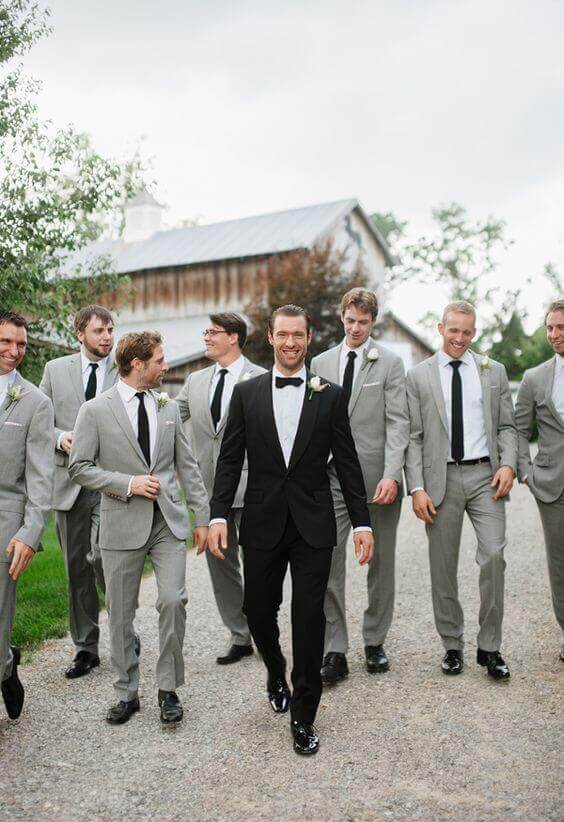
#24 Seeing the groom confidently striding down that gravel lane in his classic black tuxedo, surrounded by groomsmen in light gray suits, brings a smile to my face. The overcast sky creates such flattering light, perfect for capturing joyful moments like this. As you plan your wedding, consider choosing attire that contrasts beautifully, just like this group, to keep your photos vibrant and engaging. The rustic barn in the background adds a lovely touch, enhancing the overall charm of your celebration. A well-organized wedding planning checklist will help ensure you don’t miss these essential details.
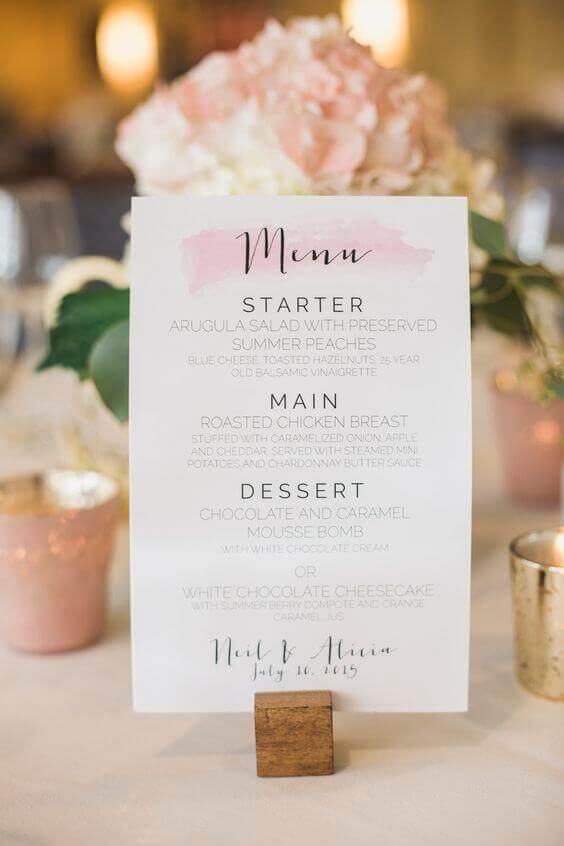
#25 Finalize the Menu and the FlowersThe elegant wedding menu card, beautifully framed by lush blush hydrangeas and warm votive candles, creates an inviting atmosphere for your reception. As you plan your special day, consider how this thoughtful touch enhances your overall decor and reflects your style. Keeping linens neutral can help the menu stand out while maintaining that romantic vibe. This wedding planning checklist will ensure you capture every detail, making your celebration truly memorable.

#26 Create Seating PlanThe seating chart beautifully welcomes your guests with its walnut-stained wooden board and elegant white calligraphy reading “Find Your Seat.” The soft glow from white pillar candles and hand-drawn florals creates a warm, inviting atmosphere. Arrange it near the entrance, so guests can easily find their names among the cream escort cards hanging from natural twine. This charming setup not only adds a rustic touch but also ensures a smooth flow on your big day, perfectly fitting into your wedding planning checklist.

#27 Create the Wedding ProgramThe rustic chalkboard sign is a charming touch to your outdoor wedding, inviting guests to join in on the fun. Framed in warm wood and adorned with playful pastel chalks, it sets a relaxed, country-chic vibe. Make sure to position it where everyone can see it right away, guiding guests to enjoy activities like cornhole and s’mores. This Wedding Planning Checklist element can create a welcoming atmosphere, making your celebration feel personal and engaging.

#28 Have Your Final Dress FittingA bridesmaid gently fastens your off-the-shoulder lace gown, its delicate eyelash edging catching the warm light beautifully. In this serene bridal suite, the soft bokeh blurs your surroundings, creating an intimate pre-ceremony moment. Ensure you have a crochet hook at hand for those tricky button loops, making the getting-ready process smoother. This is a special time, filled with love and anticipation, perfectly captured as part of your wedding planning checklist.

#29 Write VowsSeeing the groom in his slate blue suit, overwhelmed with emotion during this intimate vow exchange, truly captures the essence of love. The soft natural light filtering through the forest adds a gentle touch to this personal moment, making it feel even more special. When planning your wedding, consider scheduling your private vows about 60 to 90 minutes before the ceremony for a moment just like this. Embrace the beauty of the woodland setting, as it allows the emotion to shine through without the need for grand decor. This is what a Wedding Planning Checklist is all about, creating memories that last a lifetime.

#30 Finalize All DetailsBright sunlight glimmers over the crisp white folding chairs, where a kraft paper tag elegantly marks the seat for the Mother of the Groom. This simple yet polished touch highlights the importance of reserved seating at your outdoor ceremony. As you plan your wedding, remember that clear signage can enhance guest flow, so consider coordinating your tag design with your invitation suite for a cohesive look. This Wedding Planning Checklist will help you keep track of all the little details like this that make your day truly special.

#31 Finish the Wedding DecorSitting down to this beautifully styled tablescape, I can almost feel the fresh, airy vibe it brings to your wedding reception. The rose-gold geometric terrarium filled with delicate white blooms and trailing greenery creates a stunning focal point that perfectly complements the layered slate-gray and white plates. Using oversized tropical leaves as natural placemats adds an eco-chic touch that’s both stylish and sustainable. As you finalize your wedding planning checklist, remember that keeping your color palette soft will let the metallics and greenery truly shine.
Setting the Date and Building the Budget
The date dictates everything else, venue availability, pricing, and even your floral options. Once the date feels right, build your budget around it instead of the other way around.
I’ve learned to always start by defining what truly matters most. For some, it’s the food. For others, it’s photography or location. Prioritize those elements early.
Here’s a simple breakdown I often use when planning with precision:
| Category | % of Total Budget |
|---|---|
| Venue & Catering | 45–50% |
| Photography | 10–15% |
| Attire | 8–10% |
| Flowers | 6–8% |
| Music | 8–10% |
| Transportation | 2–3% |
| Miscellaneous | 5–10% |
Pro Tip: Always set aside at least 10% for unexpected costs. There’s always something you’ll fall in love with later or an upgrade that feels too perfect to skip.
Crafting the Guest List and Invitations
The guest list influences nearly every expense. I’ve watched costs double because someone added “just a few more people.”
Divide your list into three categories:
- Must-haves: immediate family and closest friends
- Would-like-to-invite: extended circle
- If-space-allows: acquaintances
Once that’s done, send save-the-dates about 6–8 months ahead. Invitations follow 6–8 weeks before the big day.
Fun Fact: The average couple follows up with 15–20% of their guests who don’t RSVP on time. Set a clear deadline and plan gentle reminders.
Defining Your Style and Theme
Every detail connects to your chosen style, from stationery design to lighting. I often begin by walking through venues to see how natural light interacts with color. That single observation shapes everything else.
Popular styles include:
- Classic: timeless details and neutral tones
- Rustic: wooden accents, warm colors, outdoor charm
- Modern: clean lines, sleek design, bold contrasts
- Boho: natural textures, earthy tones, and relaxed vibes
- Vintage: antique touches, lace, soft pastels
When picking colors, always test swatches in natural light. What looks perfect in photos online may appear completely different at your venue.
Securing the Venue and Vendors
Book the venue first, it sets the tone for every other choice. Always confirm:
- Capacity and layout flexibility
- What’s included (tables, chairs, linens)
- Parking, accessibility, and catering rules
After that, lock in your key vendors quickly:
- Photographer: 8–12 months before
- Caterer: 6–12 months before
- Music: 6–9 months before
- Florist: 4–6 months before
- Hair and Makeup: 3–6 months before
Never sign a contract without reading it line by line. I once caught a clause that allowed a venue to swap staff on the event day without notice. Always confirm exact deliverables and backup plans.
Staying on Schedule
I live by structured milestones. Here’s how I typically organize the timeline:
12+ Months Out
- Choose date and budget
- Book venue
- Start dress shopping
8–10 Months Out
- Confirm photographer, music, catering
- Send save-the-dates
- Begin honeymoon planning
4–6 Months Out
- Send invitations
- Plan pre-wedding events
- Order cake and rings
1–2 Months Out
- Finalize guest list and seating
- Have dress fittings
- Confirm all vendor details
1 Week Before
- Deliver final payments
- Pack for honeymoon
- Rest and recharge
Pro Tip: Create a shared digital timeline so everyone involved stays updated. It prevents miscommunication and keeps last-minute stress to a minimum.
Handling Legal Details
Your marriage license is the one detail that makes everything official. Every location has different requirements, so research early. Typically, you’ll need:
- Photo ID
- Birth certificates
- Social Security cards
- Divorce decree or death certificate (if applicable)
Apply for it 1–3 months before the wedding. Some places require waiting periods, while others issue same-day licenses.
Final Thoughts
A wedding runs smoothly when every piece is anticipated, not improvised. The goal isn’t perfection but preparedness. The fewer surprises, the more you can enjoy each moment without worry.
I’ve seen couples forget half their planning stress the instant they realize everything’s accounted for. That’s the real value of a checklist, it gives you the freedom to be fully present on your wedding day.
Frequently Asked Questions
Planning your wedding can bring up many questions about timelines, budgets, and staying organized. These common concerns affect most couples as they work through their wedding planning checklist.
What are the first steps to take when creating a wedding planning checklist?
Start by setting your wedding date and budget before you do anything else. These two decisions will guide every other choice you make.
Create a master list of all the tasks you need to complete. Write down everything from booking your venue to ordering your cake.
Break your tasks into categories like venue, catering, flowers, and photography. This makes your list easier to manage and less overwhelming.
Set up a simple system to track your progress. You can use a notebook, spreadsheet, or wedding planning app to keep everything organized.
Which essential elements should every wedding checklist include?
Your venue booking should be at the top of your list. Popular venues book up fast, especially during peak wedding season.
Add vendor bookings for your photographer, caterer, florist, and musicians. These professionals often get booked months in advance.
Include legal requirements like your marriage license and any required documents. Check your local requirements since they vary by location.
Don’t forget the details that make your day special. Add items like your wedding dress, rings, invitations, and decorations to your list.
How can I tailor a wedding planning checklist to suit a tight budget?
Focus on your must-have items first. Decide which three things matter most to you and put most of your budget there.
Look for DIY opportunities that can save money. You might make your own centerpieces, invitations, or wedding favors.
Consider off-peak dates and times for better pricing. Friday or Sunday weddings often cost less than Saturday celebrations.
Research budget-friendly alternatives for expensive items. A brunch reception costs less than a dinner, and seasonal flowers are cheaper than exotic ones.
What timeline should I follow to ensure all wedding tasks are completed?
Start planning 12 to 18 months before your wedding date if possible. This gives you time to book popular vendors and venues.
Book your venue and major vendors 8 to 12 months ahead. This includes your photographer, caterer, and band or DJ.
Handle your invitations 3 to 4 months before the wedding. Order them early, but send them 6 to 8 weeks before your date.
Take care of final details 1 to 2 weeks before. Confirm vendor arrival times, pick up your dress, and give your caterer the final guest count.
How do I prioritize tasks on my wedding planning checklist?
Put time-sensitive tasks at the top of your list. Some vendors book up quickly, and certain items take months to order.
Focus on tasks that affect other decisions next. Your venue choice impacts your catering options and guest count.
Group similar tasks together to work more efficiently. Handle all your vendor research and booking in one focused session.
Mark your personal deadlines clearly. Some tasks need to happen by specific dates, while others have more flexible timing.
Can you suggest tips for staying organized while planning a wedding?
Keep all your wedding information in one place. Use a binder, folder, or digital app to store contracts, receipts, and vendor contacts.
Set aside specific time each week for wedding planning. Regular planning sessions help you stay on track without feeling overwhelmed.
Create a communication system with your partner. Decide who handles which tasks so nothing gets forgotten or done twice.
Take breaks when you need them. Wedding planning should be fun, not stressful, so step back when you feel overwhelmed.